
Our Embolization Services:
What Is Peripheral Artery Disease (PAD)?
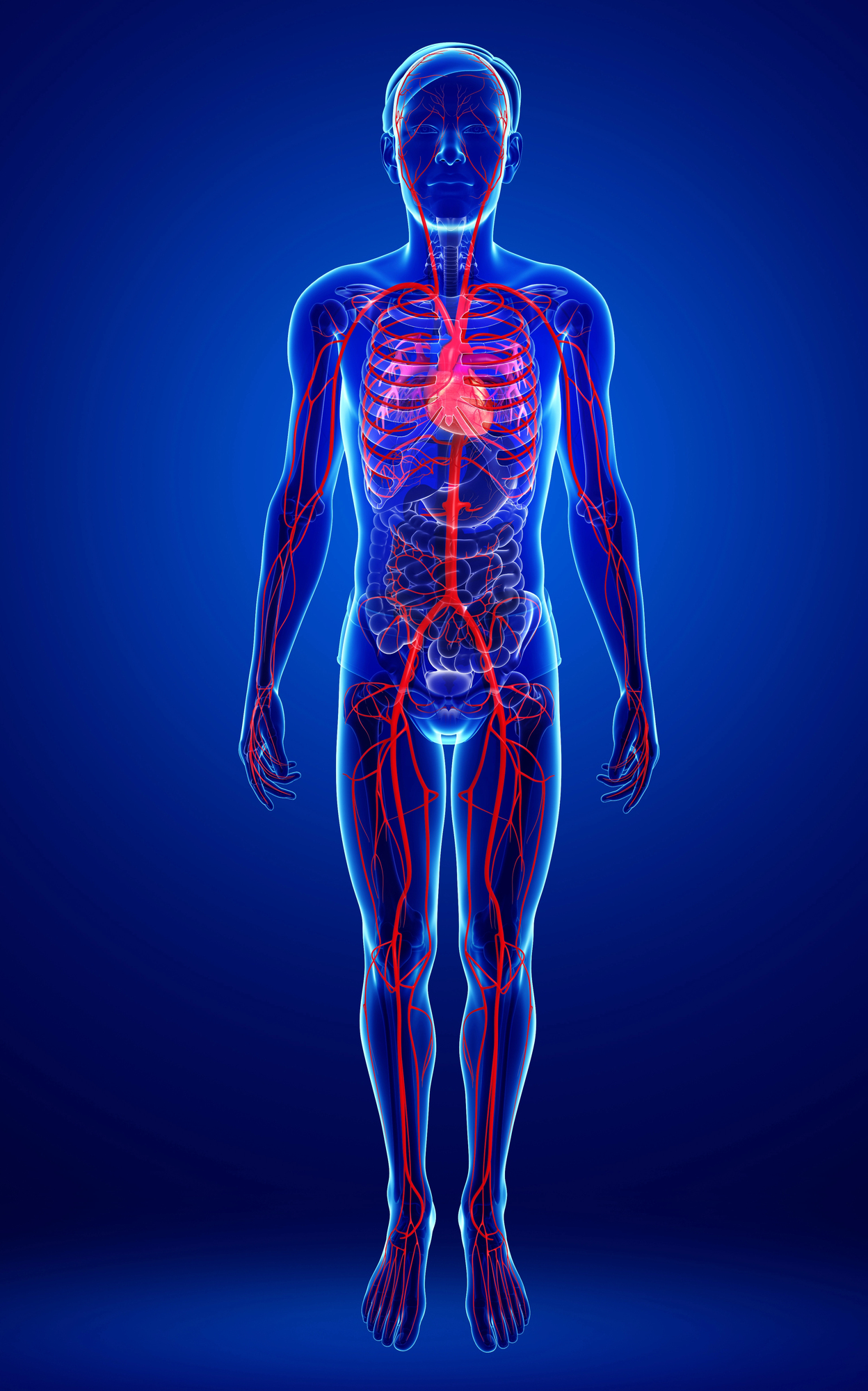
Peripheral Artery Disease, or PAD, is a common circulatory condition that affects the arteries outside the heart, most often in the legs and feet. It occurs when fatty deposits (plaque) build up along the walls of the arteries, causing them to narrow and harden. This process, called atherosclerosis, limits blood flow to the limbs.
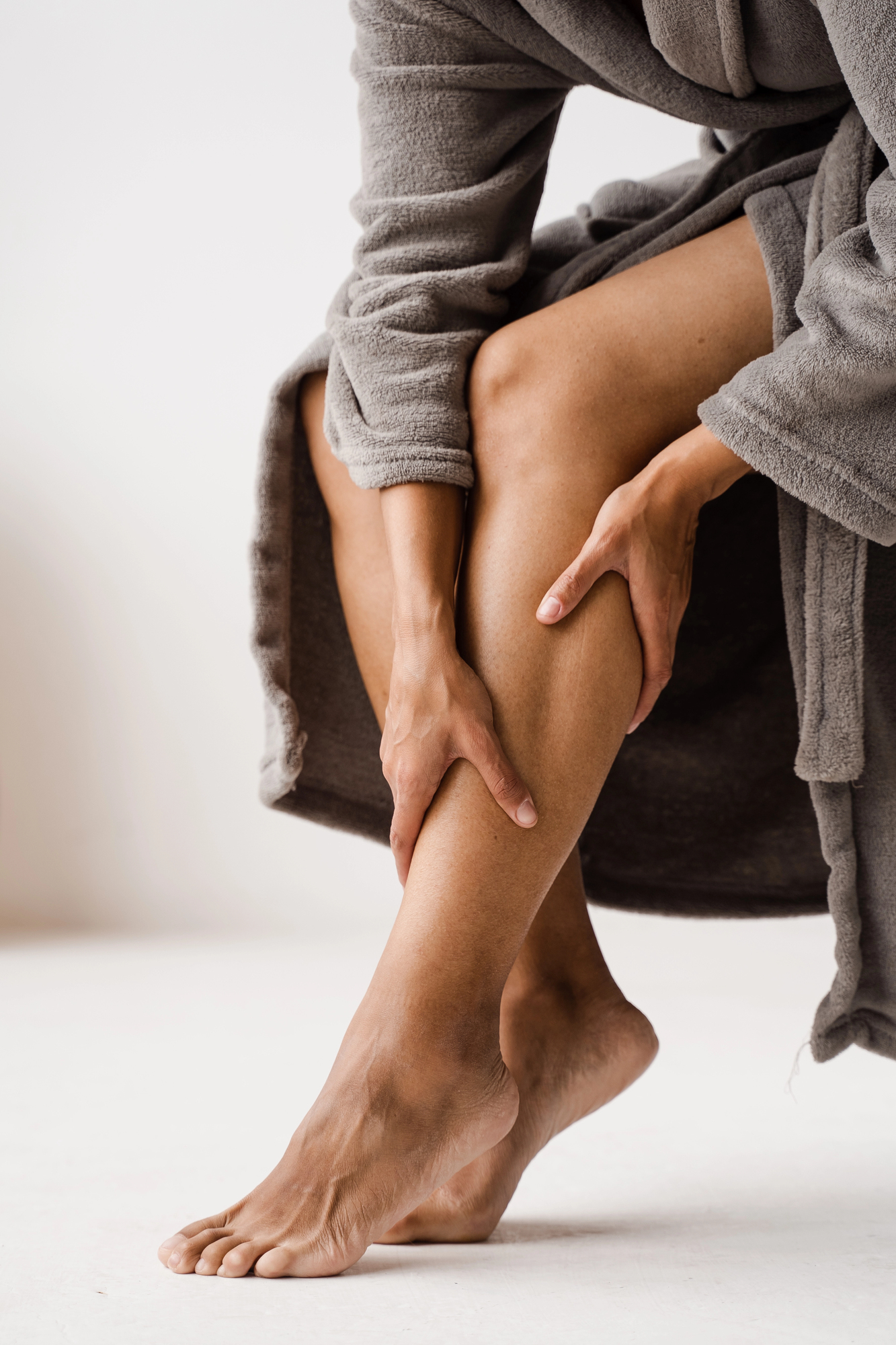
When blood flow is reduced, your muscles and tissues don’t receive enough oxygen, especially during activity. This can lead to pain, cramping, or fatigue in the legs while walking, which usually improves with rest.
Common Signs and Symptoms
PAD often develops slowly, and symptoms may be mild or go unnoticed at first. Common signs include:
- Leg pain, cramping, or fatigue while walking or climbing stairs
- Numbness or weakness in the legs or feet
- Coldness in one lower leg or foot compared to the other
- Sores or wounds on the feet or toes that heal slowly
- Shiny skin, loss of hair, or slower nail growth on the legs
- In advanced cases, pain at rest or tissue breakdown

Peripheral Artery Disease (PAD) Treatment
Peripheral Artery Disease (PAD) occurs when the arteries that carry blood to your legs and feet become narrowed or blocked by plaque buildup. Left untreated, PAD can lead to pain when walking, poor wound healing, and even more serious complications. At Estera our goal is to restore healthy blood flow, relieve symptoms, and help you return to an active lifestyle.
Personalized Treatment Plans
Every patient’s condition is unique. We begin with a comprehensive vascular evaluation to determine the extent of disease and tailor a treatment plan that best fits your needs.
Lifestyle and Medical Management
Early stages of PAD can often be managed without surgery. Our team focuses on:
- Smoking cessation and lifestyle coaching to protect your arteries.
- Structured exercise therapy to improve circulation and reduce leg discomfort.
- Heart-healthy diet guidance to control cholesterol, blood pressure, and blood sugar.
- Medications such as:
- Antiplatelet therapy (e.g., aspirin or clopidogrel) to prevent clot formation
- Cholesterol-lowering drugs (statins) to slow plaque buildup
- Cilostazol (Pletal) to improve walking distance and reduce leg pain
Minimally Invasive Endovascular Treatments
When lifestyle changes and medication aren’t enough, our specialists offer state-of-the-art, minimally invasive procedures performed right here in our vascular lab:
- Angioplasty and Stenting – A tiny balloon is used to open the artery, and a stent is placed to keep it open.
- Atherectomy – Removes plaque buildup to restore smoother blood flow.
These procedures are done through a small incision, allowing most patients to go home the same day,
Ongoing Care and Prevention
Our commitment doesn’t end after treatment. We continue to monitor your vascular health and work with you to prevent future blockages, helping you stay active, healthy, and pain-free.
What to Expect After Treatment for Peripheral Artery Disease (PAD)
At Estera, our goal is to help you not only restore healthy circulation but also maintain it for years to come. After your PAD treatment, whether medical therapy, a minimally invasive procedure, or surgery, our care team will guide you through every step of your recovery.